Several recent articles have reported on how the current crisis of censorship in the US has made publishing LGBTQ+ books much more difficult. I don't doubt this, but I also want to offer a slightly different take on the current situation — one that brings in the broader historical context.
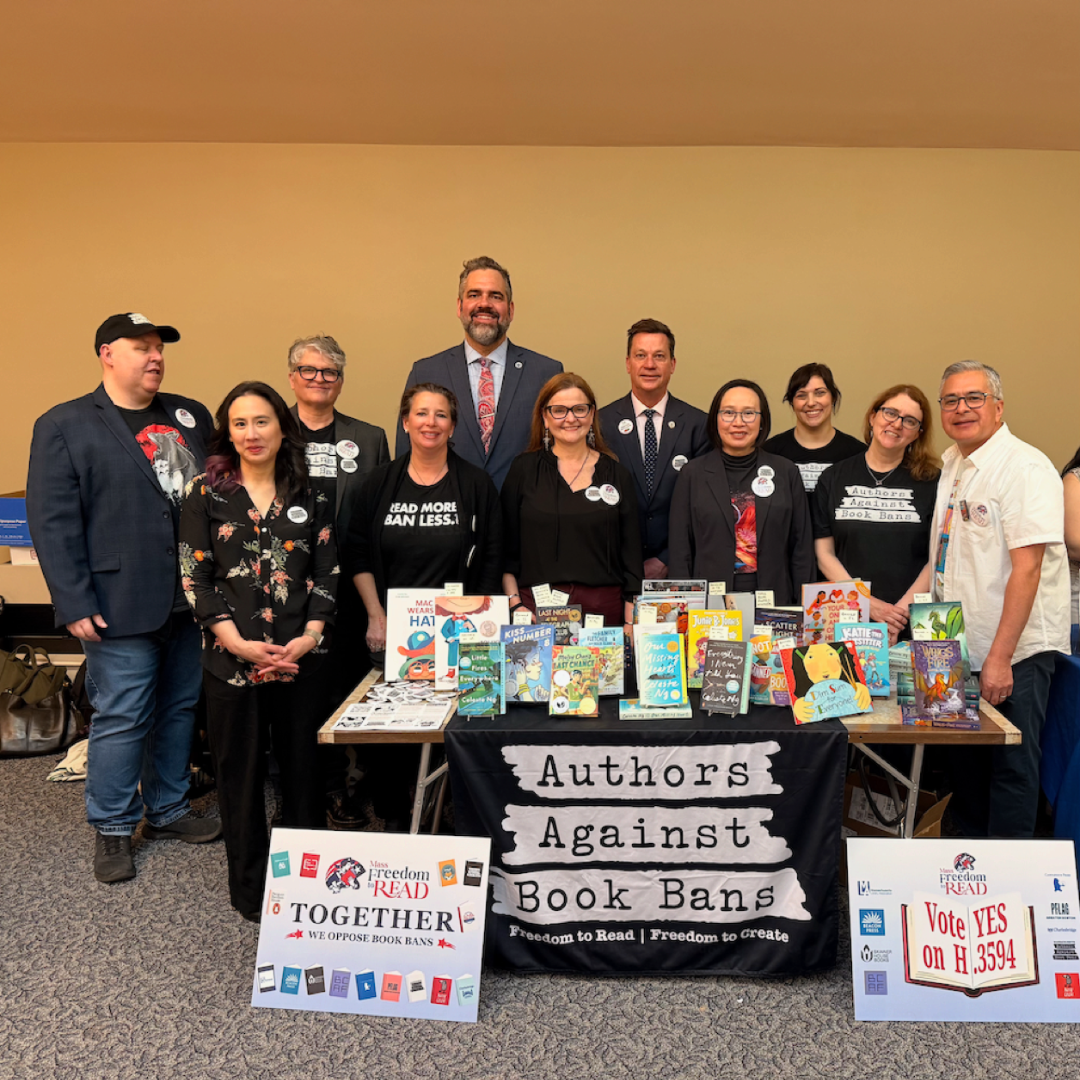
Read MoreLast month, I participated in the Mass Freedom to Read Advocacy Day at the State House in Boston, where members of our coalition met with legislators to try to push our freedom to read legislation forward.
Read MoreI recently learned that my novel Last Night at the Telegraph Club, along with nine other books, has been challenged at the state level in South Carolina.
Read MoreSince 2021 and as of today, Feb. 4, 2025, six of my seven novels and two anthologies including my work have been censored in 96 cases across 20 states.
Read MoreMy novels continue to be banned, challenged, or restricted at a steady pace.
Read MoreSince my March 2024 update, I’ve noticed there are fewer cases in which individual school districts are banning lists of specific books. Instead, more statewide laws are being passed that are so vague and overarching that they’re likely to lead school districts to ban hundreds or thousands of books at a time.
Read MoreBack in October, I wrote a detailed post on how the national wave of book banning has targeted my books. For a couple of months afterward, I posted updates on instagram, but since December I haven't had the chance to do any more updates ... until now. I've been keeping a list, folks, and it's not very nice.
Read MoreYesterday, I joined my publisher, Penguin Random House; the Iowa State Education Association; authors Laurie Halse Anderson, John Green, and Jodi Picoult; three Iowa educators; and an Iowa high school student and parent in filing a lawsuit against the state of Iowa and challenging Senate File 496, which was enacted in May 2023.
Read More